Independent comedies are made with more ambition than money. Bread and Butter was built by a small crew, a cast that knew how to land a joke and a long list of Kickstarter backers who believed in it. Whether you are planning your first feature or a weekend short, here are the lessons we would pass on to anyone shooting a comedy on a tight budget. None of them is glamorous. All of them save time, and time is the one thing a small production never has enough of.
Before the shoot
1. Write for the locations you can actually get
A scene set in a stadium costs a fortune. The same scene set in a living room, a waiting room or a used bookstore costs almost nothing and is often funnier, because comedy lives in confined spaces where people cannot escape each other. Look at our story: a life coach's office, a family home, a bookstore. Write with real places in mind and visit them before you lock the script.
2. Cast people who can play the pause
Comic timing cannot be added in the edit. Look for actors who listen, who are comfortable with silence and who can make a hesitation funny. Performers with improv or sketch backgrounds are often brilliant at this, which is one reason comedians like Bobby Moynihan move so easily between big studio comedies and small films. You can read more in our guide to his film roles.
3. Rehearse the rhythm, leave room for discovery
Even a day or two of rehearsal pays for itself. Use it to find the rhythm of key scenes and to let actors suggest lines that sound like them. Then, on set, protect a take or two for the unexpected. Some of the best moments in small comedies arrive by accident.
4. Lock the schedule around the hardest days
Identify the scenes with the most actors, the most setups or the least flexible locations, and build everything else around them. Grouping scenes by location, not by story order, is standard practice for a reason.
On set
5. Treat sound as the budget line you cannot cut
Audiences forgive a slightly soft image. They do not forgive dialogue they cannot hear, and in a comedy a missed word is a missed joke. Hire a good sound recordist, turn off the refrigerator and record room tone at every location.
6. Shoot the reaction
Half the laughs in a comedy live on the face of the person listening. Always get the reaction shot, even when it feels redundant. Your editors will thank you, because the edit is where timing is finally decided, frame by frame.
7. Keep the camera simple
Comedy rarely needs a crane. A steady frame that lets the actors play out a moment is often funnier than restless movement. Spend your camera budget on lenses, light and time to get it right rather than on elaborate moves.
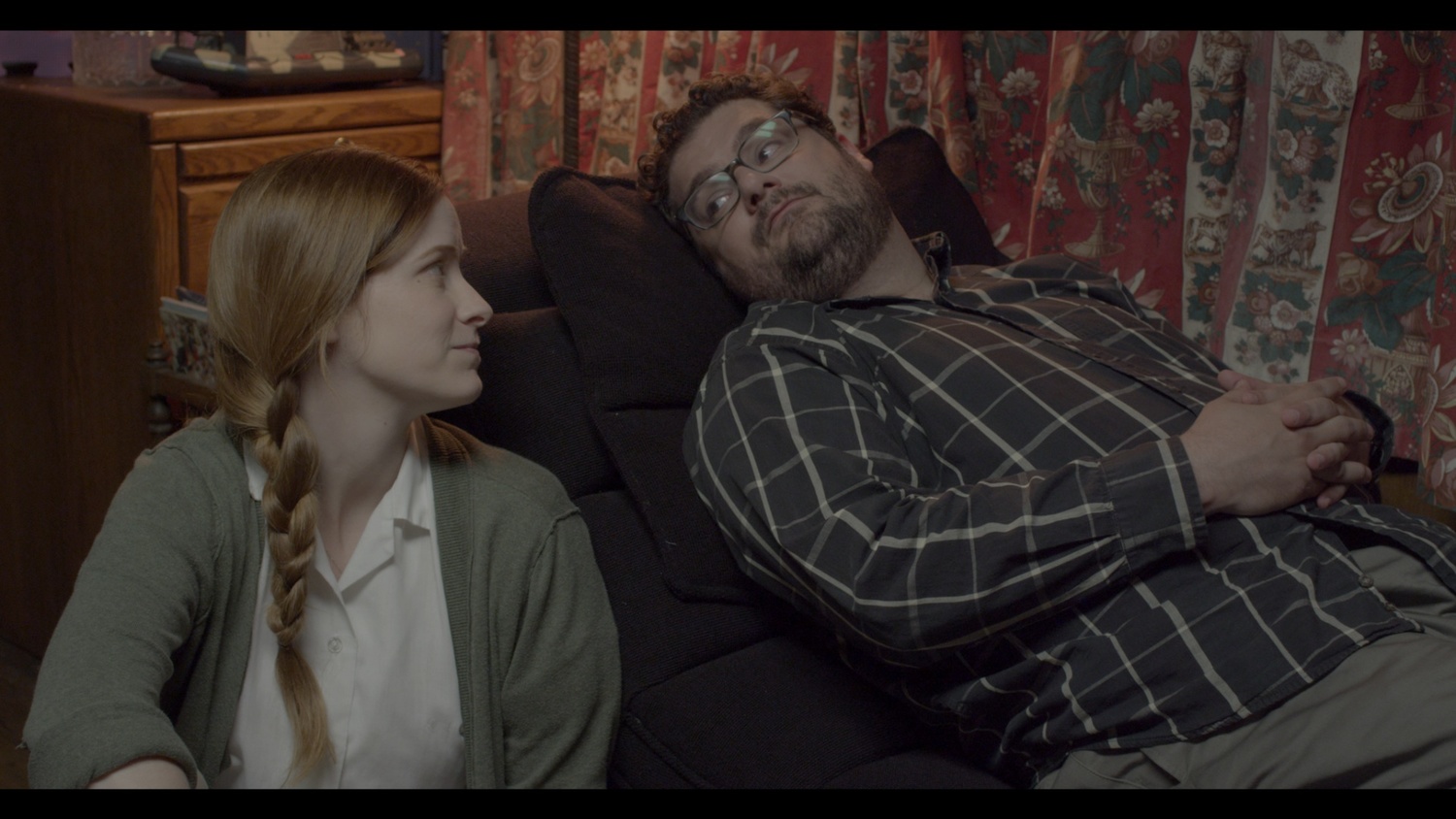
8. Let design tell the joke
Production design and costume can do comic work for free. A wall of floral fabric, a cardigan that is a little too careful, a shelf of self-help books in an office: an audience reads character from these details before anyone speaks. Thrift stores, family attics and borrowed props go a long way.
9. Feed people well and send them home on time
On a production where people are working for less than they are worth, respect is the currency. Good food, realistic days and a calm set keep a crew together, and a happy crew makes a better film. This is the least cinematic lesson on the list and possibly the most important.
After the shoot
10. Plan music and rights early
Original score, licensed songs and the paperwork that goes with them are easy to underestimate. A composer brought in early can shape the tone, and a music supervisor can tell you which songs you can realistically afford before you fall in love with a track you cannot clear. Our crew list includes both composers and a post music supervisor for a reason.
11. Show it to strangers before you lock the cut
Your crew has seen every joke a hundred times and no longer laughs. Friends are too kind. Before you lock picture, screen the film for a small group of people who do not know you and watch where they laugh, where they shift in their seats and where they check their phones. Then go back to the edit. Comedy timing often changes by a few frames, and only a real audience will show you where.
12. Budget for the festival life
Submission fees, screening copies, travel and press materials add up. So do the technical deliverables a distributor asks for once someone wants your film. Bread and Butter premiered at the Woodstock Film Festival, played festivals from Cleveland to Phoenix and was later released by The Orchard on digital, cable and satellite platforms. Each step had its own costs, and the earlier you plan for them, the less painful they are. Our guide to the Cleveland International Film Festival shows what a good festival run can do for a small film.
The short version
| Spend on | Save on |
|---|---|
| Sound recording and mixing | Elaborate camera moves |
| Cast with real comic timing | Expensive, hard-to-control locations |
| Editing time | Large set builds |
| Food and reasonable hours | Extra shooting days you do not need |
| Music clearances | Songs you cannot afford to license |
If you are still raising money, start with our explainer on how Kickstarter funds an indie feature. And if you want to see what a small comedy can look like when it all comes together, our release page lists where Bread and Butter was made available.