There is a page on this site called Kickstarter Family. It is a long list of names: friends and relatives, fellow filmmakers, a few small production companies and plenty of people we had never met. It exists because those people helped us make our movie. Crowdfunding is now a normal part of how independent films get made, but it is still widely misunderstood. Here is how it works, what it can and cannot do, and what we would tell anyone planning a campaign.
How Kickstarter works
Kickstarter launched in 2009 as a platform for creative projects: films, music, games, books, design and more. A creator sets a funding goal and a deadline, and people pledge money in exchange for rewards. A campaign can run for up to 60 days.
The key rule is all-or-nothing. If the campaign reaches its goal by the deadline, backers are charged and the creator receives the money. If it falls short, nobody is charged and the creator receives nothing. That sounds harsh, but it protects everyone. Backers are not paying for a film that cannot be finished, and the filmmaker is not left holding half a budget and a full set of promises.
When a campaign succeeds, Kickstarter keeps a 5% platform fee, and payment processing fees come out on top of that. Processing costs vary by country, so check Kickstarter's current fee page before you build your budget.
What crowdfunding can (and cannot) pay for
For a feature film, a campaign rarely covers the whole budget. More often it fills a specific, clearly explained gap:
- Production. The shoot itself: crew, equipment, locations, insurance and, never to be underestimated, food.
- Post-production. Look at the credits of any independent film, including ours, and you will find editors, composers, a post-production supervisor and a music supervisor. Each of those jobs costs money, and post is where many indie films stall.
- Festivals and delivery. Submission fees, travel to screenings and the technical deliverables a distributor will ask for once someone wants the film.
What crowdfunding cannot do is replace a plan. Backers want to see a script, a team and a believable path to a finished film. The money follows the confidence.
Planning a campaign, step by step
- Budget the campaign itself. Rewards cost money to make and ship, fees come off the top, and taxes may apply. Work out what you actually need to receive, then set the goal.
- Pick a goal you can reach. Because funding is all-or-nothing, a modest goal you hit beats an ambitious one you miss. You can keep raising after you cross the line.
- Make a short, personal video. Who you are, what the film is, why it matters to you and a taste of its tone. For a comedy, make people laugh in the first thirty seconds.
- Design rewards people want. A digital copy of the finished film, a thank-you in the credits or on your website, a signed poster, the script, an invitation to a screening. Keep physical rewards to a minimum; shipping eats budgets.
- Line up your first backers before launch. Friends, family and collaborators should be ready on day one. Strangers back projects that already look alive.
- Keep talking. Post updates about casting, rehearsals, locations and milestones. Silence in the middle of a campaign reads as trouble.
- Deliver what you promised. Fulfilling rewards on time is how you keep a community for the next film.
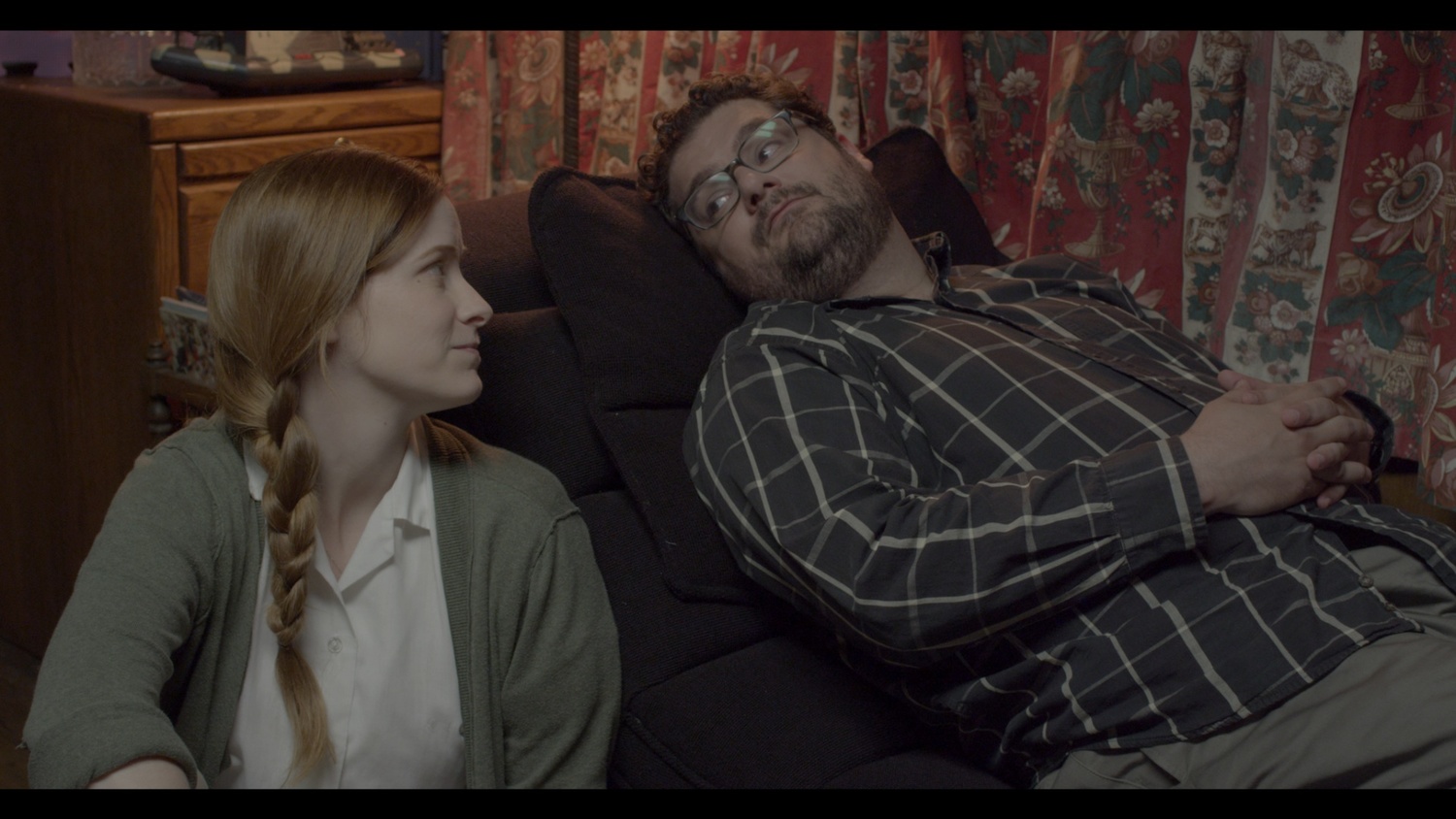
Backers are an audience, not just a budget line
The part of crowdfunding nobody puts in a spreadsheet is the community it creates. Our Kickstarter Family page thanks every supporter by name, and reading it now is a reminder of how many different people decided a small comedy about a thirty-year-old late bloomer deserved to exist. A crowdfunded film starts life with an audience that is already rooting for it.
That matters when the film goes out into the world. Bread and Butter had a sold-out world premiere at the Woodstock Film Festival, added a fourth screening at the Cleveland International Film Festival and picked up awards at several other festivals, all listed on our press page. A lot of people made that happen. It helps enormously when a film has friends before it has reviews.
After the money arrives
A successful campaign is the start of a relationship, not the end of one. Backers want to follow the film through the shoot, the edit and the first festival screenings, so keep posting updates long after the pledges are counted. Share a still from the set, a note from the edit room, the news of a premiere. Thank people publicly, as we did on our Kickstarter Family page. The people who funded your first film are the ones most likely to back your second.
Common mistakes
- Launching without a list of people ready to pledge on the first day.
- A vague budget that does not say where the money goes.
- Too many reward tiers, which confuse people more than they tempt them.
- Going quiet for two weeks in the middle of the campaign.
- Forgetting fees, taxes and the cost of fulfilling rewards.
- Promising delivery dates that ignore how long post-production really takes.
Is crowdfunding right for your film?
It suits projects with a clear hook, a team with real networks and a budget where the campaign is a meaningful piece rather than the whole thing. It is harder for a film that cannot yet explain itself in a sentence, or for a filmmaker who dreads asking for help. Running a campaign means asking, publicly and repeatedly, for weeks.
The reward is more than money. You find out early who cares about your film, and those people often become its first and loudest audience. If you are planning a shoot on a tight budget, our lessons from shooting a low-budget comedy pick up where this post leaves off.